Minggu, 29 November 2020

10 Best Roomba Black Friday Deals From Amazon, Walmart, Target And More - Forbes

No one enjoys household chores; our disdain for sweeping and vacuuming is right there in the word “chore.” And while robot vacuums haven’t completely eliminated the drudgery of keeping our floors clean, they can do an awful lot of the work for us. And as anyone who has ever owned a robot vacuum can tell you, it’s incredibly liberating to leave robots in charge of mundane household cleaning. If you’ve decided it’s finally time to experience this for yourself, you’re in luck: Black Friday and Cyber Monday deals mean that it is a particularly good time to buy a Roomba or similar robot vacuum.

Tip: Bookmark this page, because we’ll be keeping it updated with the best Black Friday TV deals from now through Cyber Monday.

While there was a time when Roomba was almost the only robot vacuum game in town, these days Roombas from iRobot aren’t the only robot vacuums you can buy. Nor are they the cheapest. In the last few years, an army of competitors from companies like Eufy, Ecovacs, Shark, Roborock and Neabot, to name a few, have started to offer similar robots, often at a lower cost.

Nonetheless, iRobot’s many Roomba models are still super popular. Not only did Roomba essentially invent the modern robot vacuum, but online reviews show that they are reliable and dependable—essential for a workhorse you might put to use every single day. And Roomba keeps innovating. iRobot was the first company to introduce a robot vacuum capable of emptying its own waste, and now sells several such models, like the Roomba i3+ and Roomba s9+. These days, many companies offer similar features—look no further than the Shark IQ RV1001AE, now on sale for just $320. But those cheaper models probably wouldn’t exist without the first self-emptying Roombas.

No matter which Roomba model you are interested in, from a modestly priced bare-bones vacuum like the $199 Roomba 614 to a full-featured self-emptying model like the Roomba s9+, there are some great Black Friday deals in play right now at a slew of retailers. We’ve rounded up the best of the best, and be sure to keep an eye on this article, because we’ll keep it updated with Roomba deals as they happen.

Psst: Want more Black Friday? You can jump to our guides for Walmart Black Friday dealsTarget Black Friday dealsBlack Friday TV deals, and everything we know about the best Black Friday deals so far.

Black Friday Roomba Deals: Roomba 614

iRobot Roomba 614

Also available at:

The Roomba 614 is one of the most affordable Roomba models, yet it’s still a very capable robot cleaner. It can navigate both hardwood floors and carpet with a three-stage cleaning system designed to loosen and lift dirt that would otherwise not get sucked into the vacuum. It also has a suite of sensors to detect dirt and intelligently switch to a more thorough cleaning mode. When it’s done, it finds its way home to the charging dock automatically, with about 90 minutes of runtime between charges.

This is an excellent “starter” robot vacuum, but keep in mind that it lacks features you’ll find in higher priced models. The Roomba 614 doesn’t include Wi-Fi, so you can’t schedule it or control it from a mobile app, and you can’t set up virtual walls to block it from going in certain rooms.


Black Friday Roomba Deals: Roomba 670

iRobot Roomba 670

You don’t have to spend a fortune to get a robot vacuum. iRobot has a few entry-level models that clean effectively, but lack a lot of the extra high-tech capabilities. Case in point: The Roomba 670, which is hard to beat at $170, yet still offers connectivity to your smartphone via Wi-Fi, automatic return to dock for self charging, and voice control with Google Home. It can handle rugs and hardwood floors, too.

Black Friday Roomba Deals: Roomba 675

iRobot Roomba 675 Wi-Fi Connected Robot Vacuum

Also available at:

Here’s a healthy discount on one of iRobot’s least expensive vacuums with Wi-Fi, which means you can inexpensively get a model that can be scheduled, voice controlled via Alexa and Google Assistant, and is compatible with optional virtual barriers you can use to no up no-clean zones. The Roomba 675 features iRobot’s three-stage cleaning system and can adaptively navigate around your house, moving around obstacles it encounters on its 90-minute battery life.

Black Friday Roomba Deals: Roomba 960

iRobot Roomba 960 Wi-Fi Connected Robot Vacuum

The Roomba 960 is able to clean your entire home thanks to its ability to return the dock and recharge, then resume the job until it’s done. It has five times the suction power of a standard robot vacuum and it can be scheduled and controlled via you smartphone thanks to its integrated Wi-Fi.


Black Friday Roomba Deals: Roomba i3+

iRobot Roomba i3+

Also available at:

One of the biggest innovations in years has been self-emptying dustbins, but the first new vacuums to include that feature cost four figures. The Roomba i3+ empties itself for a much more affordable $600, and Black Friday sales make that price tag even more attractive. Already, you can save $50, but better deals are likely to come. This model can take care of itself for as long as two months of regular vacuuming before you need to replace the bag, and includes a Reactive Sensor that’s better at knowing when it can’t reach a certain spot, so it gets stuck less often.

iRobot Roomba i3

If you want the capabilities of the Roomba i3 without the self-emptying dock, then you can get the i3 on its own. Like the i3+, it’s Wi-Fi-enabled for Alexa support and mobile app control. It is also powerful enough to deal with pet hair, rated at 10x the power of a standard Roomba.

Also available at:


Black Friday Roomba Deals: Roomba i7+

iRobot Roomba i7+

The Roomba i7+ is slightly reduced in price, which is good news if you want a one of iRobot’s top self-emptying models; only the s9+ has more features. One of the best features the i7+ offers is the ability to go directly to specific rooms for spot cleaning, so you can tell Alexa or Google Assistant to clean the kitchen, and Roomba goes directly there, cleans up, and returns to empty itself in its home base. It’s also better than most robots about not getting stuck, and you can use the mobile app to create custom cleaning zones and keep-out zones.


Black Friday Roomba Deals: Roomba s9+

iRobot Roomba s9+

Ordinarily the most expensive robot vacuum around, the Roomba s9+, iRobot’s top-of-the-line model — is discounted by 23%. Even considering the sale, the s9+ will have a considerable impact on your wallet, but it’s a powerful and capable vacuum for the price. It has more power than any other Roomba— iRobot claims it has 40X the suction of its base models. It also has a unique shape that helps it clean corners better than most other robot vacuums.

That’s in addition to all the other premium Roomba features: Wi-Fi lets you control it via the mobile app or by voice with Google Assistant or Alexa. The vacuum maps your entire house and you can mark clean zones and keep-out zones. And you can send the s9+ directly to specific rooms or locations for spot cleaning.


Black Friday Roomba Deals: Braava 380t

iRobot Braava 380t Robot Mop

Also available at:

The Braava 380t can sweep or mop your floors in much the same way as Roomba vacuums. It is designed for hardwood, tile and stone, and can go under and around furniture just like Roomba, and it can automatically avoid rugs. The 380t contains a quarter-gallon tank for mopping and operates virtually silently, which may be a welcome relief if you also have a Roomba rolling around your houses as well.
iRobot Braava Jet 245 Robot Mop

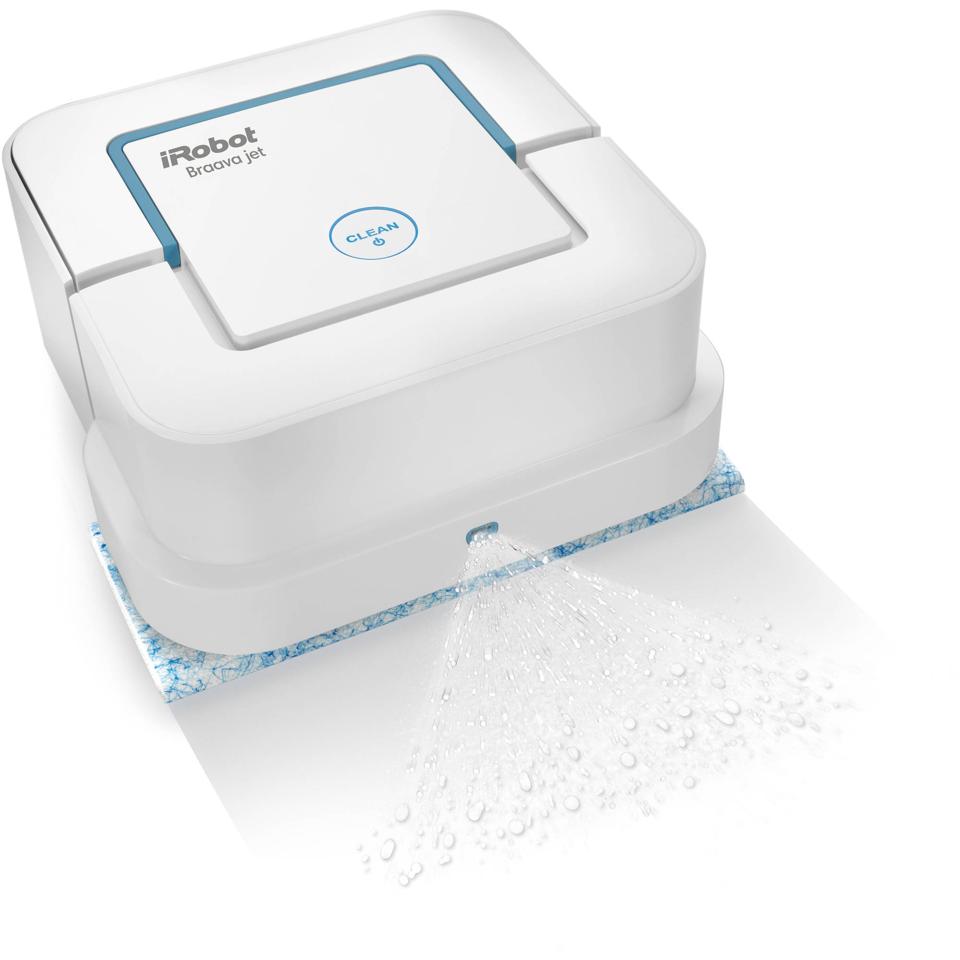
The Braava Jet 245 is a dedicated robot mop with a vibrating cleaning head, the ability to mop either wet or damp, and with dry sweeping modes. Wi-Fi enabled, it can be optionally controlled via iRobot’s mobile app. And unlike most robot mops that only work with water, the Braava Jet 245 can use iRobot’s scented custom cleaning solution.


More Black Friday Robot Vacuum Deals

Interested in checking out other brands? Plenty of other makes and models are also on sale for Black Friday. See below for current deals on robot vacuums from iRobot Roomba’s biggest competitors.

Shark IQ Self-Empty XL RV1001AE Robotic Vacuum

Shark ION Robot® Vacuum R76, Wi-Fi Connected, Works with Alexa, Multi-Surface Cleaning - Black/Navy Blue
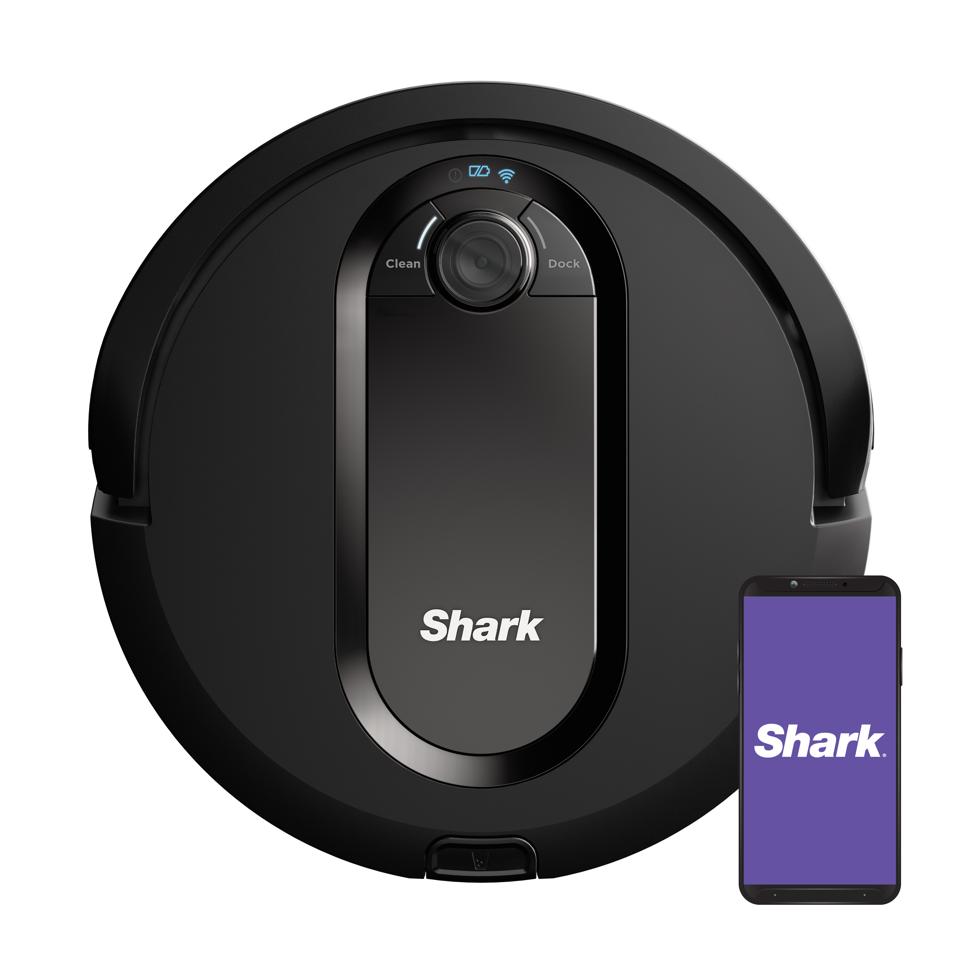
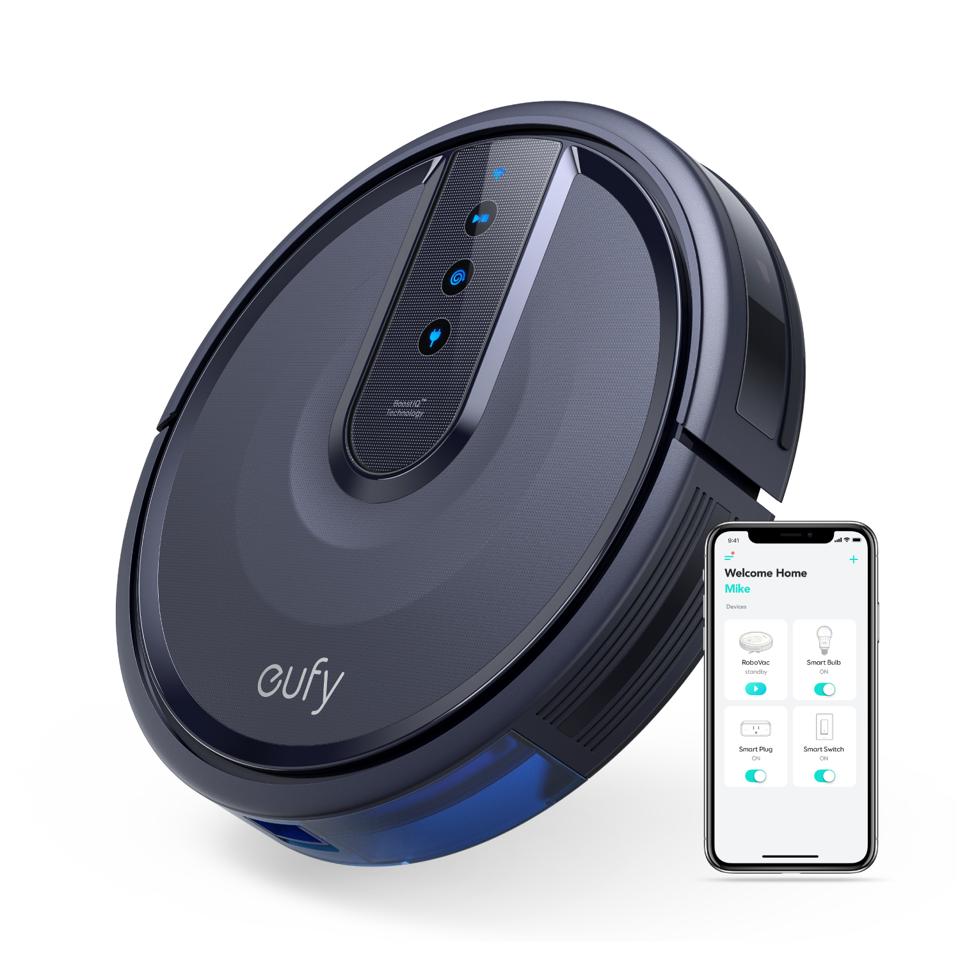
Shark IQ Robot Vacuum R100

Anker eufy RoboVac 25C Wi-Fi Connected Robot Vacuum

bObsweep Pro Robotic Vacuum Cleaner

Samsung POWERbot™ Smart Robot Vacuum with Visionary Mapping™ in Satin Titanium

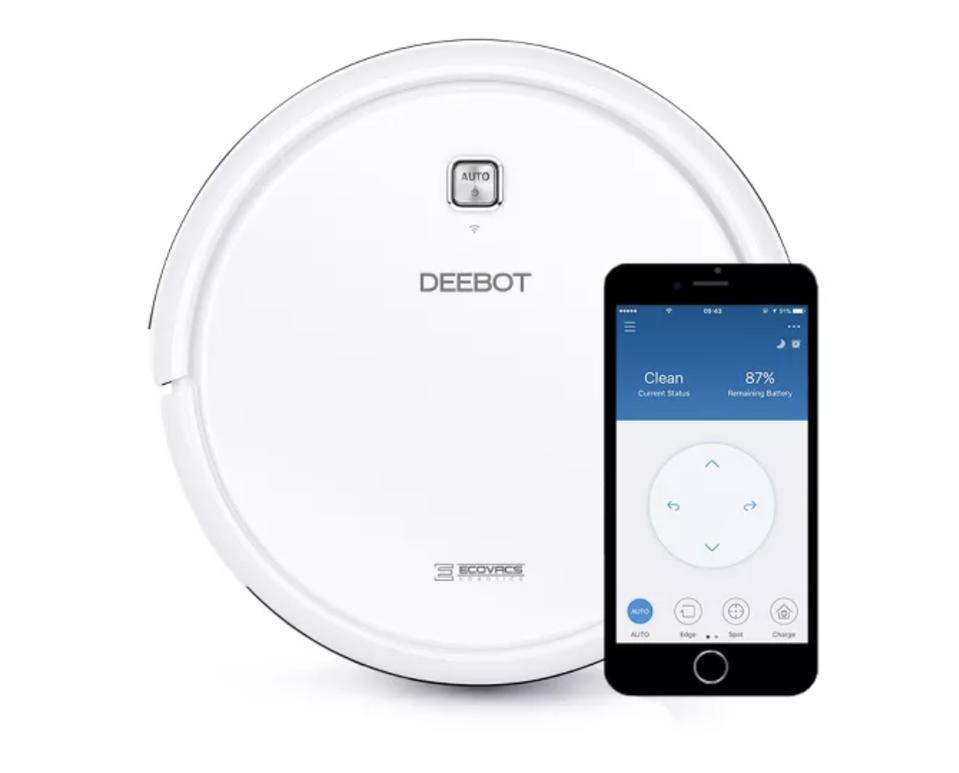
Ecovacs DEEBOT N79W Multi-Surface Robot Vacuum Cleaner

When is Black Friday?

Right now! By tradition, Black Friday is the day after Thanksgiving. But every major brand and retailer got a head start on the sale this year, some starting as early as the start of November. All the major stores have been conducting online and in-store sale events all throughout the month, and you can get great deals on Roombas and other robot vacuums right now. But keep in mind that the sales will wind down over the weekend, with one last burst on Monday, Nov. 30—Cyber Monday.

Should I want till Cyber Monday to buy electronics?

No! There’s no advantage to waiting for the Monday after Black Friday, the so-called Cyber Monday sale on Nov. 30. While there will still be sales, they generally won’t be as good as what you can get anytime between now and Black Friday itself. Plus, you run the risk of the model you want being sold out. The word this year is to buy as soon as you see the item you want at a good price.

Let's block ads! (Why?)


https://news.google.com/__i/rss/rd/articles/CBMif2h0dHBzOi8vd3d3LmZvcmJlcy5jb20vc2l0ZXMvZm9yYmVzLXBlcnNvbmFsLXNob3BwZXIvMjAyMC8xMS8yOC9yb29tYmEtYmxhY2stZnJpZGF5LWRlYWxzLTIwMjAtYmVzdC1pcm9ib3Qtcm9vbWJhLWRlYWxzLXNvLWZhci_SAYMBaHR0cHM6Ly93d3cuZm9yYmVzLmNvbS9zaXRlcy9mb3JiZXMtcGVyc29uYWwtc2hvcHBlci8yMDIwLzExLzI4L3Jvb21iYS1ibGFjay1mcmlkYXktZGVhbHMtMjAyMC1iZXN0LWlyb2JvdC1yb29tYmEtZGVhbHMtc28tZmFyL2FtcC8?oc=5

2020-11-29 03:52:52Z
52781203681352

Sabtu, 28 November 2020

What happens if someone refuses vaccination? Ethicists urge clarity on COVID-19 rollout - CTV News

TORONTO -- When the first doses of COVID-19 vaccines finally arrive in Canada, the country will need to grapple with a series of difficult questions that ethicists fear we haven’t spent enough time answering.

For example, which groups should get vaccinated after those most vulnerable? How long will it take for everyone to get their shot? And what happens if a person refuses to get vaccinated?

The clock is ticking to address those questions. Pfizer’s vaccine candidate, which is more than 90-per-cent effective according to the company’s preliminary results, could be approved for use in Canada before Christmas, according to Health Canada’s chief medical adviser.

Kerry Bowman, a bioethicist and assistant professor at the University of Toronto’s faculty of medicine, said the lack of clarity on a number of key issues involving Canada’s rollout is “beginning to make people very anxious.”

"Because we don't really have a clear plan yet. Or if we do, it's not available and transparent to the majority of Canadians,” Bowman told CTV News.

WHO GETS VACCINATED FIRST?

Federal health authorities have not released a comprehensive list of what order the vaccine will be delivered. For now, four key groups have been given priority to receive the vaccine, according to recommendations from the National Advisory Committee on Immunization.


Those groups include those at risk of severe illness and death (such as the elderly or those with pre-existing conditions), essential workers most likely to transmit the disease (such as health-care workers), those at risk who live in communities that could suffer disproportionate consequences (such as isolated Indigenous communities), and other workers providing services that contribute to “the functioning of society.”

The committee purposefully left those definitions broad so that policy-makers tasked with plotting provincial roll-outs could define them as they see fit.

But after those groups, who comes next?

Research suggests racialized Canadians are at higher risk than white Canadians of having pre-existing conditions that could put them at risk of severe outcomes from COVID-19.

Employers whose businesses have been sidelined due to COVID-19 will also be among those most keen to get vaccinated. A recent Statistics Canada survey suggested that five per cent of businesses were actively considering bankruptcy or closure this fall. Anxieties are running highest among the arts, entertainment and hospitality industries, with nearly 30 per cent worried they’ll need to resort to layoffs, bankruptcy or closure within six months.

Whatever happens, there will inevitably be a period of time in 2021 when the limited supply of vaccines will create a society of haves and have-nots. Those months will be challenging, says Alison Thompson, an ethicist with the University of Toronto.

“This is very concerning because then we have a society that is really a two-tiered society that is based on some kind of biological grounds,” she said.

CAN YOU REFUSE THE VACCINE?

It’s impossible for anyone to be forced to take the COVID-19 vaccine once it’s available. But there could be real-life consequences to refusal.

“People that don't want the vaccine, we all know, have an absolute right not to have it. I mean, it is their bodies without question,” Bowman said. "But that is an ethical concern because what will likely happen to people within that group is more and more opportunities may slowly be shut off to them.”

For instance, individuals who aren’t vaccinated may miss out on returning to the workplace or could face other restrictions involving group gatherings.

To make matters trickier, the vaccine will not be immediately available for certain groups. Pregnant women and children, who are not involved in clinical trials of the experimental vaccines, will be excluded from vaccination until more clinical trial data is available.

This exemption may be inconvenient, but it’s standard in these sorts of trials for safety reasons, Thompson said.

“Pregnant women are often excluded from clinical trials on many pharmaceutical products, including vaccines, because of the risk to the fetus that she carries and her own health,” she said.

IMMUNITY PASSPORTS?

The idea of “immunity passports” was floated early on in the pandemic as some governments expressed optimism that individuals who’d recovered from COVID-19 and tested positive for virus-fighting antibodies could be given greater freedoms to travel or return to work.

However, the World Health Organization dismissed the idea, saying there wasn’t enough evidence yet on the effectiveness or longevity of immunity through antibodies.

Vaccines may give new attention to the notion of “immunity passports” -- a possibility that Thompson said needs to be handled thoughtfully.

“I think we need to think very carefully about how we use people's immune status to grant them access to employment and travel and things like that,” she said.

WHAT HAPPENS IF SOMEONE SUFFERS SIDE EFFECTS?

All vaccines currently being study are tested for both their effectiveness and safety. Before reaching the general public, Health Canada needs to approve that the vaccine is safe enough for public use. 

Even so, there’s a chance that some individuals could suffer long-term side effects from a COVID-19 vaccine, Bowman said. It’s simply too early to know for certain.

“I have never heard of a vaccine that is 100-per-cent bulletproof safe, and I have no belief that this will be any different.”

However, he added: “It all sounds very good so far.”

In the event that someone suffers negative side effects of the vaccine, some advocates believe they should be financially compensated. At least 19 countries already have programs in place that compensate individuals injured by vaccines, but Canada does not, except for Quebec.

Thompson said it’s time for Canada to consider its own national compensation program.

“There are things we can be doing from the government side, to really help people view (vaccines) as more trustworthy,” she said, pointing to such a program.

CAN YOU CHOOSE WHICH VACCINE YOU WANT?

With several vaccine candidates in the race to be approved first, with Pfizer and Moderna leading the pack, it’s possible that Canada could have several different vaccines on the market in 2021. However, experts told CTVNews.ca last week that there is no health benefit to receiving more than one type of vaccine.

As for personal choice, it’s unlikely that Canadians will have the option to choose which vaccine they want.

“I suspect that choice will not be an issue as the vaccines arrive in Canada. There will be a strategy to roll out vaccination, prioritizing the most vulnerable and front-line workers,” said Dr. Eleanor Fish, an immunology professor at the University of Toronto.

In the face of so many looming questions, Bowman said it’s important to “get this right.”

“So much of vaccine distribution is tied to ethics now,” he said. “It’s going to be a challenge.”

Let's block ads! (Why?)


https://news.google.com/__i/rss/rd/articles/CBMiigFodHRwczovL3d3dy5jdHZuZXdzLmNhL2hlYWx0aC9jb3JvbmF2aXJ1cy93aGF0LWhhcHBlbnMtaWYtc29tZW9uZS1yZWZ1c2VzLXZhY2NpbmF0aW9uLWV0aGljaXN0cy11cmdlLWNsYXJpdHktb24tY292aWQtMTktcm9sbG91dC0xLjUyMDg4MjTSAUZodHRwczovL2JldGEuY3R2bmV3cy5jYS9uYXRpb25hbC9jb3JvbmF2aXJ1cy8yMDIwLzExLzI4LzFfNTIwODgyNC5odG1s?oc=5

2020-11-29 03:00:00Z
52781212664459

Vaughan Mills among 8 businesses ticketed in York Region on Saturday - CityNews Toronto

Eight more stores in York Region have been charged for failing to abide by COVID-19 health protocols.

The region’s COVID-19 task force says it carried out 172 inspections on Saturday, targeting big box and grocery stores.

For the second day in a row Vaughan Mills Shopping Centre was ticketed as part of the enforcement blitz.

The mall, located north of Toronto, is facing a $750 fine for failure to comply with the Reopening Ontario Act. Rocky Mountain Chocolate Factory, located within the mall, was also separately fined $750.

The mall was handed three fines on Friday for similar offences.

Lowe’s on McNaughton Road in Vaughan was charged for violating Section 22 of the Health Protection and Promotion Act and given a $750 ticket while Mazaj Lounge on Rutherford Road received a $750 fine for violating the Reopening Ontario Act.

Costco on Kirkham Drive in Markham along with three other Markham businesses – Yong He All Day Breakfast, Sam’s Congee Delight and PHO 72 – were all hit with $750 fines as well.

Over the last two days, 16 tickets have been issued by the task force after conducting 611 interactions.

Despite the charges, inspectors say that for the most part businesses and customers are adhering to the safety measures and protocols currently in place.

York Region remains in the “red zone” and avoided lockdown measures put in place in Peel Region and Toronto on Monday.

Let's block ads! (Why?)


https://news.google.com/__i/rss/rd/articles/CBMibGh0dHBzOi8vdG9yb250by5jaXR5bmV3cy5jYS8yMDIwLzExLzI4L3ZhdWdoYW4tbWlsbHMtYW1vbmctOC1idXNpbmVzc2VzLXRpY2tldGVkLWluLXlvcmstcmVnaW9uLW9uLXNhdHVyZGF5L9IBcGh0dHBzOi8vdG9yb250by5jaXR5bmV3cy5jYS8yMDIwLzExLzI4L3ZhdWdoYW4tbWlsbHMtYW1vbmctOC1idXNpbmVzc2VzLXRpY2tldGVkLWluLXlvcmstcmVnaW9uLW9uLXNhdHVyZGF5L2FtcC8?oc=5

2020-11-29 00:37:54Z
52781212517358

Nova Scotia reports 14 new cases of COVID-19 Saturday - HalifaxToday.ca

NEWS RELEASE
COVID-19/HEALTH/WELLNESS
*************************
As of today, Nov. 28, Nova Scotia has 125 active cases of COVID-19. Fourteen new cases are being reported today.

Twelve cases are in Central Zone, one is in Western Zone and one in Northern Zone.

"Black Friday weekend usually draws crowds from across the province to the Halifax area to shop, but that must change this year," said Premier Stephen McNeil. "I want to remind all Nova Scotians that we are asking you to avoid non-essential travel in and out of western and central HRM and parts of Hants County. If you are doing some shopping this weekend, it's best to stay close to home and buy local. You'll be supporting the businesspeople in your community and doing your part to slow the spread of COVID-19."

Nova Scotia Health Authority's labs completed 3,644 Nova Scotia tests on Nov. 27.

There were 670 tests administered at the rapid-testing pop-up site in Dartmouth yesterday and three positive results. The individuals were directed to self-isolate and have been referred for a standard test.

Since Oct. 1, Nova Scotia has had 42,989 negative test results, 190 positive COVID-19 cases and no deaths. No one is currently in hospital. Cases range in age from under 10 to over 70. Sixty-five cases are now resolved. Cumulative cases may change as data is updated in Panorama.

"A few days ago, we introduced new restrictions in Halifax and Hants County. I know it's not easy, but it will allow us to slow the spread of COVID-19," said Dr. Robert Strang, Nova Scotia's chief medical officer of health. "The retail sector and restaurant and bar owners have all stepped up and adapted to ensure they continue to follow all public health measures. Now it is up to Nova Scotians to ensure they are doing their part to limit the spread of COVID-19."

Visit https://covid-self-assessment.novascotia.ca/ to do a self-assessment if in the past 48 hours you have had or you are currently experiencing:
-- fever (i.e. chills/sweats) or cough (new or worsening)

Or:
Two or more of the following symptoms (new or worsening):
-- sore throat
-- runny nose/ nasal congestion
-- headache
-- shortness of breath

Call 811 if you cannot access the online self-assessment or wish to speak with a nurse about your symptoms.

When a new case of COVID-19 is confirmed, public health works to identify and test people who may have come in close contact with that person. Those individuals who have been confirmed are being directed to self-isolate at home, away from the public, for 14 days.

Anyone who has travelled outside of Atlantic Canada must self-isolate for 14 days. As always, any Nova Scotian who develops symptoms of acute respiratory illness should limit their contact with others until they feel better.

It remains important for Nova Scotians to strictly adhere to the public health order and directives — practise good hand washing and other hygiene steps, maintain a physical distance when and where required. Wearing a non-medical mask is mandatory in most indoor public places.

Rules concerning interprovincial travel within Nova Scotia, New Brunswick, Prince Edward Island and Newfoundland and Labrador have changed. The premiers of all four Atlantic provinces are cautioning against non-essential travel into neighbouring provinces. Currently, all non-essential travel into Prince Edward Island, New Brunswick and Newfoundland and Labrador requires a 14-day self-isolation. All public health directives of each province must be followed. Under Nova Scotia's Health Protection Act order, visitors from outside Atlantic Canada must self-isolate for 14 days unless they completed their self-isolation in another Atlantic province.

Nova Scotians can find accurate, up-to-date information, handwashing posters and fact sheets at https://novascotia.ca/coronavirus. Due to technical difficulties, the website will not be updated today.

Businesses and other organizations can find information to help them safely reopen at https://novascotia.ca/reopening-nova-scotia.

Quick Facts:
-- testing numbers are updated daily at https://novascotia.ca/coronavirus
-- a state of emergency was declared under the Emergency Management Act on March 22 and extended to Dec. 13
-- online booking for COVID-19 testing appointments is available for Nova Scotians getting a test at all primary assessment centres or at the IWK Health Centre in Halifax
-- ongoing voluntary testing has been introduced to monitor, reduce and prevent the spread of COVID-19 in long-term care. Volunteers, designated caregivers and employees who provide direct care to residents will be tested every two weeks. The ongoing testing will start at three long-term care locations: Northwood, Ocean View and St. Vincent's and will expand to six more facilities over the next two weeks

Additional Resources:
Government of Canada: https://canada.ca/coronavirus

Government of Canada information line 1-833-784-4397 (toll-free)

The Mental Health Provincial Crisis Line is available 24/7 to anyone experiencing a mental health or addictions crisis, or someone concerned about them, by calling 1-888-429-8167 (toll-free)

Kids Help Phone is available 24/7 by calling 1-800-668-6868 (toll-free)

For help or information about domestic violence 24/7, call 1-855-225-0220 (toll-free)

For more information about COVID-19 testing and online booking, visit https://novascotia.ca/coronavirus/symptoms-and-testing/

The COVID-19 self-assessment is at https://covid-self-assessment.novascotia.ca/

*************************

Let's block ads! (Why?)


https://news.google.com/__i/rss/rd/articles/CBMieWh0dHBzOi8vd3d3LmhhbGlmYXh0b2RheS5jYS9jb3JvbmF2aXJ1cy1jb3ZpZC0xOS1sb2NhbC1uZXdzL25vdmEtc2NvdGlhLXJlcG9ydHMtMTQtbmV3LWNhc2VzLW9mLWNvdmlkLTE5LXNhdHVyZGF5LTMxMzYyNznSAX1odHRwczovL3d3dy5oYWxpZmF4dG9kYXkuY2EvYW1wL2Nvcm9uYXZpcnVzLWNvdmlkLTE5LWxvY2FsLW5ld3Mvbm92YS1zY290aWEtcmVwb3J0cy0xNC1uZXctY2FzZXMtb2YtY292aWQtMTktc2F0dXJkYXktMzEzNjI3OQ?oc=5

2020-11-28 20:45:00Z
52781205123140

Sask. reports 1 more coronavirus death, 197 new cases - CTV News

REGINA -- Another Saskatchewan resident has died after testing positive for COVID-19.

The province said the person, in the 80-plus age group, was from the northwest zone. This is the province’s 45th death related to COVID-19.

Saskatchewan also reported 197 new COVID-19 cases on Saturday, bringing active cases to 3,322.

In a release, the government said six new cases are located in the far northwest zone, four are from the far northeast zone, five are from the northwest zone, 17 are from the north central zone, five are from the north east zone, 56 are from Saskatoon, one is from the central west zone, five are from the central east zone, 73 are from Regina, 16 are from the southwest zone, five are from the south central zone and two are from the southeast zone.

Two new cases are also pending residence information. Five cases that were pending residence information have been assigned, including four in the north central zone and one in the northwest zone.

Saskatchewan’s seven-day average of new cases is 234, or 19.3 new cases per 100,000 population.

The province currently has 106 people in hospital related to COVID-19, including 88 in inpatient care and 18 in intensive care.

Another 137 people were reported recovered from the virus on Saturday.

REGIONALLY

  • 328 active cases are from the far north area (129 far northwest, 61 far north central, 138 far northeast)
  • 731 active cases are from the north area (263 northwest, 373 north central, 95 northeast)
  • 1,108 active cases are from the Saskatoon area
  • 636 active cases are from the Regina area
  • 142 active cases are from the central area (57 central west, 85 central east)
  • 354 active cases are from the south area (97 southwest, 104 south central, 153 southeast)

On Friday, 3,359 COVID-19 tests were processed in Saskatchewan.

Let's block ads! (Why?)


https://news.google.com/__i/rss/rd/articles/CBMiVGh0dHBzOi8vcmVnaW5hLmN0dm5ld3MuY2Evc2Fzay1yZXBvcnRzLTEtbW9yZS1jb3ZpZC0xOS1kZWF0aC0xOTctbmV3LWNhc2VzLTEuNTIwODY5NNIBAA?oc=5

2020-11-28 19:55:00Z
52781211801330

63 New Cases Of COVID-19, 1 New Death In Windsor Essex As Of Saturday - windsoriteDOTca News

The Windsor Essex County Health Unit has announced 63 new cases of COVID-19 as of Saturday, bringing the local total to 3,570.

Cases increased from 3,507 on Friday November 27th to 3,570 on Saturday November 28th and 367 cases of COVID-19 are currently active in Windsor-Essex.

Saturday’s increase in cases by 63 is the highest daily increase since June 28th.

Article Continues Below Local Sponsor Message

The Health Unit says 26 cases are close contacts of confirmed cases, 7 cases are community acquired, 2 cases are agri-farm workers, 3 cases are local health care workers, 1 case is travel related to the US, and the sources of 24 cases are still being investigated by the Health Unit’s case and contact management staff.

They say 3,124 people locally have recovered (an increase of 49 recoveries today).

There has been one additional death from COVID-19 in Windsor Essex as of Saturday bringing the local death toll to 79. The Health Unit says a man in his 60s from the community passed away.

As of Saturday, the Health Unit lists 11 people as hospitalized, and 2 people in the ICU with confirmed cases of COVID-19 in Windsor Essex. Eight hospitalizations are listed at Windsor Regional Hospital.

Long-term Care / Retirement Home Outbreaks

As of Saturday, four long-term care/retirement homes remain under outbreak:

  • Leamington Mennonite (Leamington) has 0 resident cases and 1 staff case
  • Riverside Place (Windsor) has 17 resident cases and 3 staff cases (1 new staff case today)
  • Lifetimes on Riverside (Windsor) has 5 resident cases and 4 staff cases
  • Iller Lodge (Essex) has 18 resident cases and 3 staff cases

Workplace Outbreaks

As of Saturday, there are seven workplaces under outbreak:

  • 3 outbreaks at agri-farms in Leamington
  • 1 outbreak at a health care and social assistance workplace in Lakeshore
  • 1 outbreak at a finance and insurance workplace in Leamington
  • 1 outbreak at a manufacturing facility in Windsor
  • 1 outbreak at a place of worship in Leamington

School Outbreaks

As of Saturday, two schools remain under outbreak:

  • W.J. Langlois Catholic Elementary School
  • Frank W. Begley Public School

Community Outbreaks

As of Saturday, there are two community outbreaks:

  • Riverplace Residence
  • Victoria Manor

Let's block ads! (Why?)


https://news.google.com/__i/rss/rd/articles/CBMiY2h0dHBzOi8vd2luZHNvcml0ZS5jYS8yMDIwLzExLzYzLW5ldy1jYXNlcy1vZi1jb3ZpZC0xOS0xLW5ldy1kZWF0aC1pbi13aW5kc29yLWVzc2V4LWFzLW9mLXNhdHVyZGF5L9IBAA?oc=5

2020-11-28 15:46:47Z
52781210683639

Where are people catching COVID-19? Community transmission still a puzzle in Ontario - Toronto Star

Nine months into the COVID-19 pandemic, health officials still face a conundrum that’s as vexing as it was at the beginning of the outbreak: pinning down how cases are being spread in the community.

In Ontario, as many as 60 per cent of cases have unknown sources of transmission.

The lack of data has, in part, led to our current lockdown, as government advisers look to the U.S. for information on how far it is necessary to go in shutting down parts of the economy.

“Restaurants have done all they have been asked and more. Officials are making decisions based on theories and suppositions. But the financial and reputational harms on this industry are not theoretical. They are all too real,” said James Rilett, a spokesperson for Restaurants Canada, a not-for-profit association that advocates for the food service industry.

Frustration with the province’s decision to send Toronto and Peel Region into lockdown prompted backlash from business owners this week, with some opening in defiance of health measures and others calling for big-box stores that were deemed essential services to be shuttered.

One of the reasons for the lack of data on where community spread is occurring is that it’s exceedingly difficult to do contact tracing of strangers in crowded places like restaurants, bars and gyms. Surging case numbers in recent weeks have made contact tracing in some areas, like Toronto and Peel, nearly impossible. (In early October, Toronto Public Health announced it was suspending contact tracing outside of high-risk situations and institutional outbreaks because of the increasing number of cases in the broader community.)

But researchers on the COVID-19 science advisory table, a group of scientists and health policy experts who analyze trends and advise the provincial government, say there’s enough evidence from U.S. studies and local outbreak data to make educated guesses about where the virus is most likely to spread.

“It is most likely that a lot of what goes undetected in the statistics and in contact tracing, even if people try hard, happens in those indoor spaces where people meet most,” said Dr. Peter Juni, scientific director of the science advisory table and a professor of medicine and epidemiology at the University of Toronto.

“Indoor gatherings where people are relatively close to each other — it can be you and your friends; it doesn’t have to be other people who you don’t know — and where people stay for a prolonged period of time, meaning more than 15 minutes, that’s actually what’s happening with indoor dining.”

In a report earlier this month, the advisory table made a link between the frequency of visits to restaurants with indoor dining and the potential to spread the virus if those establishments reopened.

The report also shows that while less than 10 per cent of COVID-19 cases in Ontario are linked to outbreaks, restaurants, bars, ceremonies and religious services make up a combined nine per cent of those outbreaks. Settings with the most outbreaks are long-term-care and retirement homes (26.5 per cent) and schools and daycares (22.2 per cent).

“It doesn’t mean that the proportion shown in those figures for restaurants covers everyone who was infected in a restaurant; it just covers the ones we know about,” said Beate Sander, co-chair of Ontario’s COVID-19 modelling consensus table. “This large proportion of community transmission does happen in schools, in restaurants and in gyms and in workplaces and … everywhere, basically.”

A snapshot of data from Toronto Public Health shows that during one week in September, there were 45 active outbreaks in workplace settings, 18 of them in restaurants and bars, another in a nightclub and one more in an adult entertainment club.

“Combined, these outbreaks represented 44 per cent of our community outbreak investigations alone,” said Dr. Vinita Dubey, Toronto’s associate medical officer of health, in an email, adding that the investigations “were incredibly resource-intensive.”

“Bars and restaurants have large volumes of contacts to trace,” she said, “with some of these venues having more than 500 contacts to notify, and with one having 1,700 patrons to reach.”

The province closed indoor dining, bars, gyms and theatres in Toronto, Peel and Ottawa on Oct. 10. Gyms were allowed to reopen earlier this month before being shut down again in Toronto and Peel under the new lockdown, which also closed outdoor dining, hair salons and non-essential retail.

Dubey said the strategy behind the current lockdown is to limit the ability of people to spend time together in high-risk environments where the chance of infection is heightened.

“This is a difficult choice, but a necessary one at this time,” she said.

When asked if there was any evidence to close down restaurant patios, as Toronto and Peel did this week, the Ministry of Health said in an email that the lockdown was necessary to limit community transmission in “order to keep schools open, safeguard health system capacity, and protect the province’s most vulnerable populations.”

“In partnership with the chief medical officer of health and our local medical officers of health, we continue to closely monitor the evolving situation to advise if and when public health measures need to be adjusted,” said a spokesperson for the ministry.

A U.S. Centers for Disease Control and Prevention study from September found that adults confirmed to have COVID-19 were approximately twice as likely to have reported dining at a restaurant in the two weeks before they became ill compared to those who tested negative.

Another U.S. study, which appeared this month in the British science journal Nature and which the Ontario science advisory table drew upon, suggests a link between where people go and patterns of infection.

The study used anonymized cellular data to track the movement of 98 million people in big American cities from neighbourhoods to hundreds of thousands of what they called “points of interest,” which included restaurants, grocery stores and churches, from March to May.

Researchers ran a simulation to predict, based on visits, where residents were becoming infected and found that a small fraction of points of interest accounted for a large percentage of infections. The results of the simulation produced infection rates that were close to what was happening in the cities at the time.

Those points were typically places that “tend to have denser visitors and the visitors tend to stay longer,” such as restaurants, said Emma Pierson, who co-authored the study while working on her PhD at Stanford University. Pierson has a master’s degree in statistics from the University of Oxford, where she was a Rhodes Scholar, and is now a senior researcher at Microsoft.

Density was also key to why the model predicted higher infection rates in neighbourhoods with fewer white people, which is consistent with what actually happened during the first wave, said Pierson.

The model showed people from these neighbourhoods were not able to reduce their mobility as much, in part because they were more likely to be essential workers.

Loading...

Loading...Loading...Loading...Loading...Loading...

“It’s hard for them to work from home,” Pierson said.

The places they went to typically had more visitors and were “therefore more dangerous,” said Pierson, noting that in the U.S. there is a correlation between higher population density and lower socio-economic areas.

Although the study in Nature didn’t assess whether individual restaurants were riskier than other points of interest, a simulation to reopen each sector by category, while keeping the others closed, showed reopening restaurants would lead to hundreds of thousands of infections in the Chicago area.

Reopening full-service restaurants was particularly risky, according to the study, with researchers predicting roughly 600,000 additional infections in the Chicago area by the end of May, more than triple the next category of establishment.

Pierson said part of the reason may be simply the number of restaurants.

Across the metro areas used in the study, full-service restaurants, together with gyms, hotels, cafés, religious organizations and limited-service restaurants, produced the largest predicted increases in infections when reopened.

Statistics from the Nature study used by Ontario’s science advisory table show that additional COVID-19 infections associated with the reopening of venues (after a lockdown, for example) are much higher for the bottom 10 per cent of income earners than for the top 10 per cent.

The risk of being infected in restaurants, places of worship and grocery stores was disproportionately large for the lowest 10 per cent of earners.

“These are the essential workers. That’s not the people who buy their organic bananas. That’s the people who work there who get infected,” said Juni. “This is like the perfect storm for transmission. They are exposed because they are essential workers.”

More research in the U.S. could lead to understanding how retail and restaurants can more safely reopen in a pandemic.

The study in Nature found that if points of interest in Chicago capped maximum occupancy at 20 per cent, it would cut new infections by more than 80 per cent while reducing overall visits by only 40 per cent.

“If you reduce maximum occupancy, it can potentially enable you to reopen more efficiently because it creates a large reduction in infections for a relatively small reduction in visits,” said Pierson. “The reason for this is it only affects places when they’re most crowded and most dangerous.”

The authors also believe the results of the study show that reopening has a disparate impact on at-risk neighbourhoods, risk that could be mitigated through stringent occupancy caps, distributing food to areas with high-risk stores, more testing and improved paid leave or income supports for essential workers, as well as personal protective equipment.

Toronto has had a higher incidence of the disease in the northeast and northwest parts of the city.

Juni said he is hopeful that the science advisory table will find ways to make restaurants and other venues safer.

“Basically, try to wear a mask as often as you can, try to ventilate as well as you can in these places,” he said. “Keep the tables apart from each other so at least groups of people don’t interact with each other. These will all be helpful in the future.”

“The problem is that only if you restrict relatively strongly (will) you get this thing under control because it’s so contagious.”

Kenyon Wallace
Patty Winsa

Let's block ads! (Why?)


https://news.google.com/__i/rss/rd/articles/CBMihAFodHRwczovL3d3dy50aGVzdGFyLmNvbS9uZXdzL2d0YS8yMDIwLzExLzI4L3doZXJlLWFyZS1wZW9wbGUtY2F0Y2hpbmctY292aWQtMTktY29tbXVuaXR5LXRyYW5zbWlzc2lvbi1zdGlsbC1hLXB1enpsZS1pbi1vbnRhcmlvLmh0bWzSAQA?oc=5

2020-11-28 12:00:54Z
52781211522242