Kamis, 01 Agustus 2019

Powell is 'confusing' the markets about Fed intentions, but a new cut is expected - CNBC

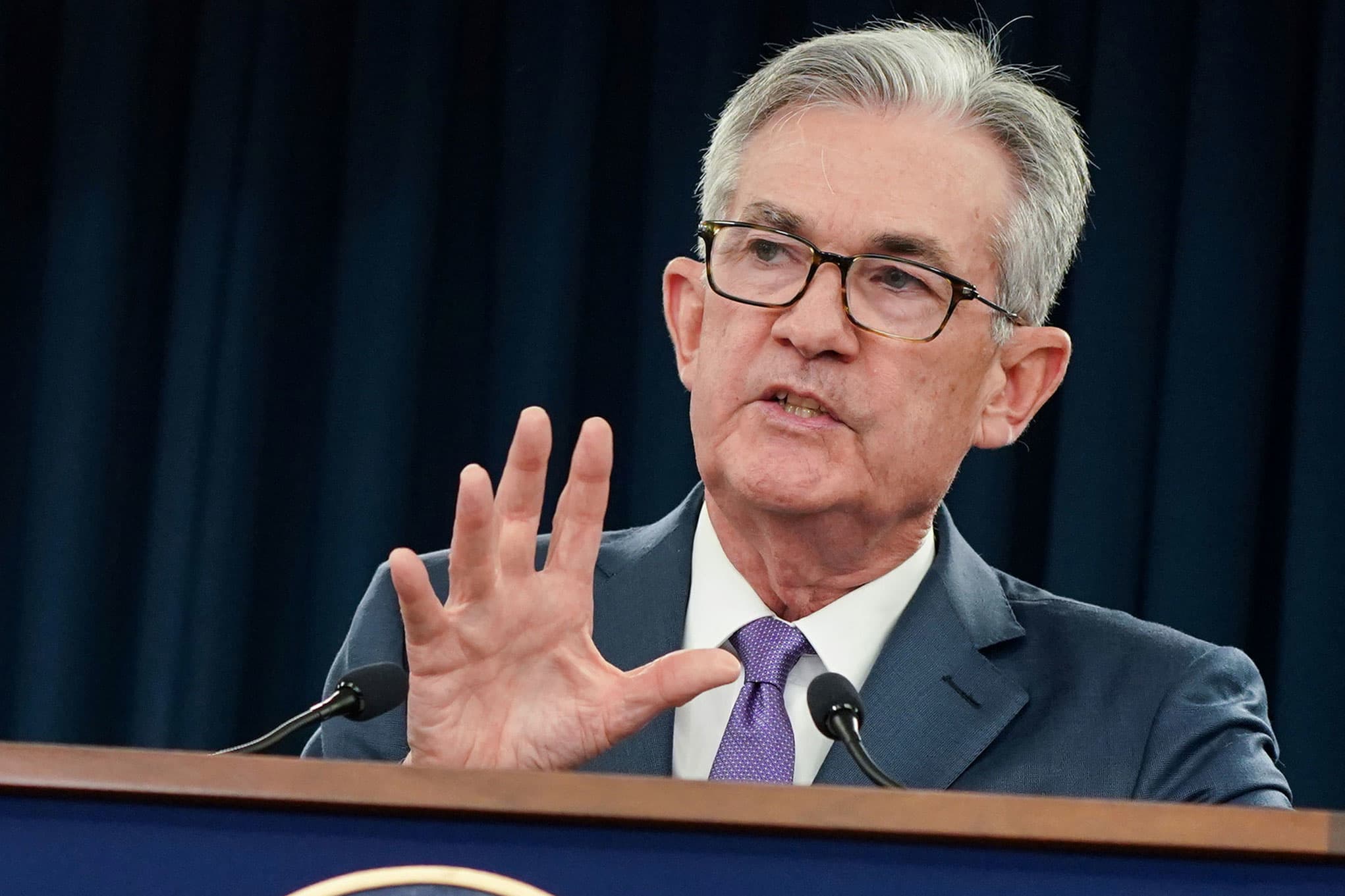
Federal Reserve Chair Jerome Powell holds a news conference following the Federal Reserve's two-day Federal Open Market Committee Meeting in Washington, July 31, 2019.

Sarah Silbiger | Reuters

Chairman Jerome Powell's comments after the Fed's expected rate cut are seen as confusing, and market pros say monetary policy has become muddled.

The bottom line is the Fed is still expected to cut interest rates again, but possibly not as much as markets had been geared up for.

The Fed sliced a quarter point off the fed funds target rate range Wednesday, citing "global developments" and "muted inflation." The 2 p.m. ET statement was viewed as neutral by the market with no set promise of further interest rate cuts. The market had been braced for a very dovish message, expecting the Fed to leave the door wide open and leaning more explicitly toward further interest rate cuts, so it was already somewhat disappointed.

But once Powell spoke about a half hour later, the markets convulsed, with bond yields spiking and stocks selling off into the close. His comments that the Fed was making a "midcycle adjustment " and was not in a longer-term rate cutting mode ricocheted through the markets, where some investors had been positioned for at least two more cuts this year alone. Powell did not rule out further rate cuts.

"We find Powell confusing. I think this is an ongoing struggle with this Fed and communications. The point is you now have to look at a September cut as more of a 50/50 probability," said John Briggs, head of strategy at NatWest Markets.

'Muddled message'

Stocks plunged, with the Dow down 333 points in its worst day since May. Treasury yields were on a roller coaster with the 2-year yield, which most reflects Fed policy, spiking as high as 1.96%, off an early low of 1.79% prior to the Fed statement.

"It was a very confusing and muddled message, and I don't think that Powell delivered clear direction for what the near-term path of additional Fed easing will be, and I think that's why the market reacted negatively," said Mark Cabana, head of U.S. short rate strategy at Bank of America Merrill Lynch.

The Fed had set itself up with the difficult task of explaining a so-called insurance cut. That's a rate cut intended to head off economic weakness before it hits. The Fed's problem, in part, is that it was making the cut, just as some economic data has been improving. So while acknowledging the improvement , it also was forced to emphasize that it's real worries are sluggish inflation, potential trade war impacts and the weaker global economy.

Two Fed presidents, Boston Fed President Eric Rosengren and Kansas City Fed President Esther George, objected on the basis that a cut was not warranted, and that also confused markets about future policy.

"The market was looking for more cuts and the markets now are very uncertain. I don't think that's helpful for what the Fed wants to achieve. I think the Fed wants to extend the expansion," Cabana said, adding that the Fed statement was much more clear than Powell. He now expects other Fed officials to attempt to clarify the Fed position.

For now, Cabana said he will stay focused on the Fed's statement, which clearly said the Fed is concerned about the implications of global developments and muted inflationary pressure. "Neither of those things are going to change any time soon," he said, noting Powell did not even mention the risks around Brexit, the U.K.'s exit from the European Union, by the end of October.

September meeting

J.P. Morgan chief U.S. economist Michael Feroli said the Fed may keep its focus on trade and global issues, but its next decisions may actually be made based more on U.S. economic data. The Fed had also added a level of confusion into markets when it pivoted recently, from its normal "data dependence" on the U.S. economy to concerns of more global issues.

"Today's Fed events may have given risk markets a little indigestion, but they also bought the Fed a little more flexibility going into the next FOMC meeting," he wrote. "We still look for one more easing in September, and continue to believe that, unlike today's meeting, the call on September depends on all of the data. While today's move was motivated by global growth, trade policy and inflation developments, we expect September's decision will also depend on domestic growth developments." 

The Fed statement also said the Fed was looking to sustain the economic expansion, which it has stated before. Powell repeated that in his opening remarks but he was also positive on the outlook when he said trade tensions had been boiling over but were now "simmering."

"He delivered no consistent message. He talked from both sides of his mouth, and the market didn't know what to make of it," said Cabana.

How many cuts?

Cabana said the futures market had been pricing in 70 basis points of easing for the year, including the 25 basis point cut Wednesday. The market expectations had fallen to 37 basis points of cuts for this year, as of Wednesday afternoon, or the equivalent of about one and a half more cuts, rather than closer to two.

"It's confusing," said Wells Fargo director, rates strategy Michael Schumacher. "The market was pretty bulled up and priced in quite a bit of rate cutting over the next year and a half, and now that has to come out."

Schumacher said investors were focused on the length of the easing cycle, and Powell's response was confusing because he clearly made it a shorter-term event.

"He mentioned it a couple times. It's not like he said it once and goofed and came back to it. So it became hawkish," said Schumacher. The Fed did not release any new projections at the July meeting, since it releases those forecasts quarterly, so the market was set up to glean any new information from the Fed chief.

"It was pretty evident when you think about this particular meeting was going to be about Powell," said Schumacher.

Briggs said he still expects the Fed to cut rates.

"If the economy stays the same and prices go down and anything on his list continues to be a risk, I think they will cut, too," said Briggs. "I tend to think the global outlook is not that great. Germany is going to be a mess for a while. China has issues. The British economy is heading into Brexit and sterling is falling."

Peter Boockvar, chief investment officer with Bleakley Advisory Group, said Powell also confused the market when he spoke about the Fed helping financial conditions, when it shifted from a rate-hiking policy at the end of last year, to a pause and now to a rate cut.

"He was totally confusing. They're winging it. And nothing was more clear. You can see the circularity of the problem they're in," he said. "They're talking about easier financial conditions in the first half of the year that was able to sustain the recovery.".

So by not promising more easing, the Fed could now create shaky market conditions and could find itself taking an easier stance to appease markets, creating a negative feedback loop.

"He's in quicksand," said Boockvar. "This is the problem the Fed has put themselves into. They are chasing the tail of the market and the market is the master and the Fed is now the servant."

It wasn't just markets that were disappointed with the Fed. President Donald Trump, who had called for a large rate cut, tweeted that the Fed's rate cut was disappointing and "Powell let us down."

"It means the pressure is probably not going to subside from Trump, and we're still going to be in a position where we have a lot of political interference," said Cabana.

Let's block ads! (Why?)


https://www.cnbc.com/2019/08/01/powell-confused-markets-on-interest-rates-but-fed-probably-cuts-again.html

2019-08-01 11:30:28Z
52780341383806

Powell is 'confusing' the markets about Fed intentions, but a new cut is expected - CNBC

Federal Reserve Chair Jerome Powell holds a news conference following the Federal Reserve's two-day Federal Open Market Committee Meeting in Washington, July 31, 2019.

Sarah Silbiger | Reuters

Chairman Jerome Powell's comments after the Fed's expected rate cut are seen as confusing, and market pros say monetary policy has become muddled.

The bottom line is the Fed is still expected to cut interest rates again, but possibly not as much as markets had been geared up for.

The Fed sliced a quarter point off the fed funds target rate range Wednesday, citing "global developments" and "muted inflation." The 2 p.m. ET statement was viewed as neutral by the market with no set promise of further interest rate cuts. The market had been braced for a very dovish message, expecting the Fed to leave the door wide open and leaning more explicitly toward further interest rate cuts, so it was already somewhat disappointed.

But once Powell spoke about a half hour later, the markets convulsed, with bond yields spiking and stocks selling off into the close. His comments that the Fed was making a "midcycle adjustment " and was not in a longer-term rate cutting mode ricocheted through the markets, where some investors had been positioned for at least two more cuts this year alone. Powell did not rule out further rate cuts.

"We find Powell confusing. I think this is an ongoing struggle with this Fed and communications. The point is you now have to look at a September cut as more of a 50/50 probability," said John Briggs, head of strategy at NatWest Markets.

'Muddled message'

Stocks plunged, with the Dow down 333 points in its worst day since May. Treasury yields were on a roller coaster with the 2-year yield, which most reflects Fed policy, spiking as high as 1.96%, off an early low of 1.79% prior to the Fed statement.

"It was a very confusing and muddled message, and I don't think that Powell delivered clear direction for what the near-term path of additional Fed easing will be, and I think that's why the market reacted negatively," said Mark Cabana, head of U.S. short rate strategy at Bank of America Merrill Lynch.

The Fed had set itself up with the difficult task of explaining a so-called insurance cut. That's a rate cut intended to head off economic weakness before it hits. The Fed's problem, in part, is that it was making the cut, just as some economic data has been improving. So while acknowledging the improvement , it also was forced to emphasize that it's real worries are sluggish inflation, potential trade war impacts and the weaker global economy.

Two Fed presidents, Boston Fed President Eric Rosengren and Kansas City Fed President Esther George, objected on the basis that a cut was not warranted, and that also confused markets about future policy.

"The market was looking for more cuts and the markets now are very uncertain. I don't think that's helpful for what the Fed wants to achieve. I think the Fed wants to extend the expansion," Cabana said, adding that the Fed statement was much more clear than Powell. He now expects other Fed officials to attempt to clarify the Fed position.

For now, Cabana said he will stay focused on the Fed's statement, which clearly said the Fed is concerned about the implications of global developments and muted inflationary pressure. "Neither of those things are going to change any time soon," he said, noting Powell did not even mention the risks around Brexit, the U.K.'s exit from the European Union, by the end of October.

September meeting

J.P. Morgan chief U.S. economist Michael Feroli said the Fed may keep its focus on trade and global issues, but its next decisions may actually be made based more on U.S. economic data. The Fed had also added a level of confusion into markets when it pivoted recently, from its normal "data dependence" on the U.S. economy to concerns of more global issues.

"Today's Fed events may have given risk markets a little indigestion, but they also bought the Fed a little more flexibility going into the next FOMC meeting," he wrote. "We still look for one more easing in September, and continue to believe that, unlike today's meeting, the call on September depends on all of the data. While today's move was motivated by global growth, trade policy and inflation developments, we expect September's decision will also depend on domestic growth developments." 

The Fed statement also said the Fed was looking to sustain the economic expansion, which it has stated before. Powell repeated that in his opening remarks but he was also positive on the outlook when he said trade tensions had been boiling over but were now "simmering."

"He delivered no consistent message. He talked from both sides of his mouth, and the market didn't know what to make of it," said Cabana.

How many cuts?

Cabana said the futures market had been pricing in 70 basis points of easing for the year, including the 25 basis point cut Wednesday. The market expectations had fallen to 37 basis points of cuts for this year, as of Wednesday afternoon, or the equivalent of about one and a half more cuts, rather than closer to two.

"It's confusing," said Wells Fargo director, rates strategy Michael Schumacher. "The market was pretty bulled up and priced in quite a bit of rate cutting over the next year and a half, and now that has to come out."

Schumacher said investors were focused on the length of the easing cycle, and Powell's response was confusing because he clearly made it a shorter-term event.

"He mentioned it a couple times. It's not like he said it once and goofed and came back to it. So it became hawkish," said Schumacher. The Fed did not release any new projections at the July meeting, since it releases those forecasts quarterly, so the market was set up to glean any new information from the Fed chief.

"It was pretty evident when you think about this particular meeting was going to be about Powell," said Schumacher.

Briggs said he still expects the Fed to cut rates.

"If the economy stays the same and prices go down and anything on his list continues to be a risk, I think they will cut, too," said Briggs. "I tend to think the global outlook is not that great. Germany is going to be a mess for a while. China has issues. The British economy is heading into Brexit and sterling is falling."

Peter Boockvar, chief investment officer with Bleakley Advisory Group, said Powell also confused the market when he spoke about the Fed helping financial conditions, when it shifted from a rate-hiking policy at the end of last year, to a pause and now to a rate cut.

"He was totally confusing. They're winging it. And nothing was more clear. You can see the circularity of the problem they're in," he said. "They're talking about easier financial conditions in the first half of the year that was able to sustain the recovery.".

So by not promising more easing, the Fed could now create shaky market conditions and could find itself taking an easier stance to appease markets, creating a negative feedback loop.

"He's in quicksand," said Boockvar. "This is the problem the Fed has put themselves into. They are chasing the tail of the market and the market is the master and the Fed is now the servant."

It wasn't just markets that were disappointed with the Fed. President Donald Trump, who had called for a large rate cut, tweeted that the Fed's rate cut was disappointing and "Powell let us down."

"It means the pressure is probably not going to subside from Trump, and we're still going to be in a position where we have a lot of political interference," said Cabana.

Let's block ads! (Why?)


https://www.cnbc.com/2019/08/01/powell-confused-markets-on-interest-rates-but-fed-probably-cuts-again.html

2019-08-01 10:56:22Z
52780341383806

Powell is 'confusing' the markets about the Fed's intentions, but another cut is expected - CNBC

Federal Reserve Chair Jerome Powell holds a news conference following the Federal Reserve's two-day Federal Open Market Committee Meeting in Washington, July 31, 2019.

Sarah Silbiger | Reuters

Chairman Jerome Powell's comments after the Fed's expected rate cut are seen as confusing, and market pros say monetary policy has become muddled.

The bottom line is the Fed is still expected to cut interest rates again, but possibly not as much as markets had been geared up for.

The Fed sliced a quarter point off the fed funds target rate range Wednesday, citing "global developments" and "muted inflation." The 2 p.m. ET statement was viewed as neutral by the market with no set promise of further interest rate cuts. The market had been braced for a very dovish message, expecting the Fed to leave the door wide open and leaning more explicitly toward further interest rate cuts, so it was already somewhat disappointed.

But once Powell spoke about a half hour later, the markets convulsed, with bond yields spiking and stocks selling off into the close. His comments that the Fed was making a "midcycle adjustment " and was not in a longer-term rate cutting mode ricocheted through the markets, where some investors had been positioned for at least two more cuts this year alone. Powell did not rule out further rate cuts.

"We find Powell confusing. I think this is an ongoing struggle with this Fed and communications. The point is you now have to look at a September cut as more of a 50/50 probability," said John Briggs, head of strategy at NatWest Markets.

'Muddled message'

Stocks plunged, with the Dow down 333 points in its worst day since May. Treasury yields were on a roller coaster with the 2-year yield, which most reflects Fed policy, spiking as high as 1.96%, off an early low of 1.79% prior to the Fed statement.

"It was a very confusing and muddled message, and I don't think that Powell delivered clear direction for what the near-term path of additional Fed easing will be, and I think that's why the market reacted negatively," said Mark Cabana, head of U.S. short rate strategy at Bank of America Merrill Lynch.

The Fed had set itself up with the difficult task of explaining a so-called insurance cut. That's a rate cut intended to head off economic weakness before it hits. The Fed's problem, in part, is that it was making the cut, just as some economic data has been improving. So while acknowledging the improvement , it also was forced to emphasize that it's real worries are sluggish inflation, potential trade war impacts and the weaker global economy.

Two Fed presidents, Boston Fed President Eric Rosengren and Kansas City Fed President Esther George, objected on the basis that a cut was not warranted, and that also confused markets about future policy.

"The market was looking for more cuts and the markets now are very uncertain. I don't think that's helpful for what the Fed wants to achieve. I think the Fed wants to extend the expansion," Cabana said, adding that the Fed statement was much more clear than Powell. He now expects other Fed officials to attempt to clarify the Fed position.

For now, Cabana said he will stay focused on the Fed's statement, which clearly said the Fed is concerned about the implications of global developments and muted inflationary pressure. "Neither of those things are going to change any time soon," he said, noting Powell did not even mention the risks around Brexit, the U.K.'s exit from the European Union, by the end of October.

September meeting

J.P. Morgan chief U.S. economist Michael Feroli said the Fed may keep its focus on trade and global issues, but its next decisions may actually be made based more on U.S. economic data. The Fed had also added a level of confusion into markets when it pivoted recently, from its normal "data dependence" on the U.S. economy to concerns of more global issues.

"Today's Fed events may have given risk markets a little indigestion, but they also bought the Fed a little more flexibility going into the next FOMC meeting," he wrote. "We still look for one more easing in September, and continue to believe that, unlike today's meeting, the call on September depends on all of the data. While today's move was motivated by global growth, trade policy and inflation developments, we expect September's decision will also depend on domestic growth developments." 

The Fed statement also said the Fed was looking to sustain the economic expansion, which it has stated before. Powell repeated that in his opening remarks but he was also positive on the outlook when he said trade tensions had been boiling over but were now "simmering."

"He delivered no consistent message. He talked from both sides of his mouth, and the market didn't know what to make of it," said Cabana.

How many cuts?

Cabana said the futures market had been pricing in 70 basis points of easing for the year, including the 25 basis point cut Wednesday. The market expectations had fallen to 37 basis points of cuts for this year, as of Wednesday afternoon, or the equivalent of about one and a half more cuts, rather than closer to two.

"It's confusing," said Wells Fargo director, rates strategy Michael Schumacher. "The market was pretty bulled up and priced in quite a bit of rate cutting over the next year and a half, and now that has to come out."

Schumacher said investors were focused on the length of the easing cycle, and Powell's response was confusing because he clearly made it a shorter-term event.

"He mentioned it a couple times. It's not like he said it once and goofed and came back to it. So it became hawkish," said Schumacher. The Fed did not release any new projections at the July meeting, since it releases those forecasts quarterly, so the market was set up to glean any new information from the Fed chief.

"It was pretty evident when you think about this particular meeting was going to be about Powell," said Schumacher.

Briggs said he still expects the Fed to cut rates.

"If the economy stays the same and prices go down and anything on his list continues to be a risk, I think they will cut, too," said Briggs. "I tend to think the global outlook is not that great. Germany is going to be a mess for a while. China has issues. The British economy is heading into Brexit and sterling is falling."

Peter Boockvar, chief investment officer with Bleakley Advisory Group, said Powell also confused the market when he spoke about the Fed helping financial conditions, when it shifted from a rate-hiking policy at the end of last year, to a pause and now to a rate cut.

"He was totally confusing. They're winging it. And nothing was more clear. You can see the circularity of the problem they're in," he said. "They're talking about easier financial conditions in the first half of the year that was able to sustain the recovery.".

So by not promising more easing, the Fed could now create shaky market conditions and could find itself taking an easier stance to appease markets, creating a negative feedback loop.

"He's in quicksand," said Boockvar. "This is the problem the Fed has put themselves into. They are chasing the tail of the market and the market is the master and the Fed is now the servant."

It wasn't just markets that were disappointed with the Fed. President Donald Trump, who had called for a large rate cut, tweeted that the Fed's rate cut was disappointing and "Powell let us down."

"It means the pressure is probably not going to subside from Trump, and we're still going to be in a position where we have a lot of political interference," said Cabana.

Let's block ads! (Why?)


https://www.cnbc.com/2019/08/01/powell-confused-markets-on-interest-rates-but-fed-probably-cuts-again.html

2019-08-01 10:55:46Z
52780341383806

Impossible Foods' 'Whopper' goes nationwide at Burger King - Yahoo Finance

FILE- This Jan. 11, 2019, file photo shows the Impossible Burger in Bellevue, Neb. After months of shortages, Impossible Foods is partnering with a veteran food production company to ramp up supplies of its popular plant-based burgers. (AP Photo/Nati Harnik, File)

Impossible Foods’ plant-based burgers will soon no longer be so impossible to get your hands on.

Starting Aug. 5, all 7,300 Burger King locations across the country will sell the meatless Whopper – but only while supplies last – for $5.59.

In April, Burger King became the first fast-food chain to sell the Impossible burger, but it was only available at select locations. Burger King is owned by Restaurant Brands International (QSR), which also owns Tim Horton’s.

Headed to grocery stores

Impossible Foods also plans to start selling its products in grocery stores beginning this fall, now that the Food and Drug Administration has approved its key color ingredient, soy leghemoglobin. The color additive is what makes the meatless patty “bleed” like a real meat burger, giving it the look and taste of real beef.

Impossible has been able to distribute its product only by selling it in restaurants including fast food chains White Castle and Qdoba.

Growth spurt

The nationwide rollout at Burger King and its entry onto grocery shelves marks a huge growth spurt for the food startup that struggled with meeting demand just weeks ago.

Fast food chains including Red Robin complained that the company couldn’t supply them with enough product to keep up with soaring demand.

On Monday, the Redwood City, Calif.-based company announced to its distributors that a cap on ordering had been lifted and that the product was now “fully stocked.”

In order to ramp up supply, Impossible Foods has doubled the headcount in its plants in the last two months. It also entered into a manufacturing deal with the meat supplier OSI Group to expand its production capabilities.

Alexis Christoforous is co-anchor of Yahoo Finance’s “The First Trade.” Follow her on Twitter @AlexisTVNews.

Read more:

This is the No. 1 thing Snapchat has to overcome

Emerging markets 'are cheap right now': Analyst

Virgin Galactic is a 'concept stock' for investors

IBM is a 'zombie company': Analyst

Facebook has a 'trust deficit in DC': Strategist

Read the latest financial and business news from Yahoo Finance

Follow Yahoo Finance on Twitter, Facebook, Instagram, Flipboard, LinkedIn, YouTube, and reddit.

Let's block ads! (Why?)


https://finance.yahoo.com/news/impossible-foods-whopper-goes-nationwide-at-burger-king-100034141.html

2019-08-01 10:00:00Z
52780343573317

LSE deal creates global data business to rival Bloomberg - The Times

London Stock Exchange has agreed a $27 billion all-share takeover of the financial data provider Refinitiv to create a major global market data and infrastructure company that could rival Bloomberg.

The deal combines the world’s oldest bourse with the provider of Eikon terminals, which offer live data feeds and news to trading floors across the City.

Don Robert, the LSE chairman, said that the acquisition was a “defining moment” for the exchange in terms of its strategic importance. It is the biggest acquisition by a UK-listed company this year by far.

The exchange, which traces its roots to the 17th century, is behind the FTSE and the Borsa Italiana in Milan and also owns the clearing house LCH.

David Schwimmer, the former Goldman Sachs banker…

Let's block ads! (Why?)


https://www.thetimes.co.uk/article/lse-deal-creates-global-data-business-to-rival-bloomberg-mhxsk7lps

2019-08-01 08:00:00Z
52780343532980

London Stock Exchange buys data provider Refinitiv in $27 billion deal - CNN

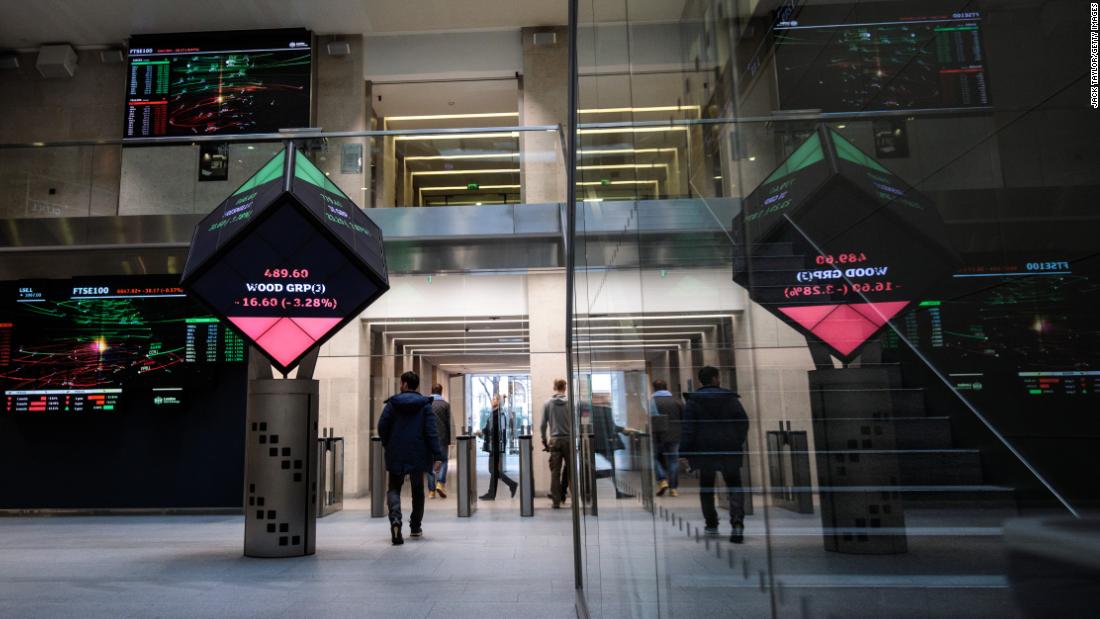
Refinitiv shareholders will end up owning a 37% stake in the London Stock Exchange. The all-share deal values Refinitiv at $27 billion, including its debt.
The purchase comes less than a year after news and information provider Thomson Reuters (TRI) sold a majority stake in Refinitiv to a group of investors led by private equity group Blackstone.
The London Stock Exchange (LDNXF) and Refinitiv had combined revenue of £6 billion ($7.3 billion) in 2018. Together, the companies will be the world's largest financial markets infrastructure provider.
The deal could give London Stock Exchange the scale needed to compete with industry heavyweight Bloomberg by combining the data generated by the exchange with Refinitiv's distribution and analytics. It will also bolster the British company's position in foreign exchange and fixed income trading through Refinitiv's FXall and Tradeweb platforms.
Shares in the London Stock Exchange rose by 6% after the deal was announced.
Bloomberg, which was founded by billionaire former New York City mayor Michael Bloomberg, provides data feeds and messaging services used by traders, regulators and central bankers.
Refinitiv sells a rival product called Eikon.
The London Stock Exchange said it expects the deal to close in the second half of next year. Regulators are likely to scrutinize the takeover and its potential impact on market data costs.
Investors have objected to paying higher prices for market data, some of which they say is needed to comply with stricter regulations.
"Many trading venues have continued to increase market data fees," five investor groups wrote in a letter last year to EU regulators.
"This reflects a marked and ongoing shift in the revenue model of trading venues, with market data now constituting a significant and increasing share of their income," they added.

Let's block ads! (Why?)


https://www.cnn.com/2019/08/01/investing/london-stock-exchange-refinitiv/index.html

2019-08-01 07:41:00Z
52780343532980

Britain's LSE seals $27 billion Refinitiv deal to create data giant - Reuters

LONDON (Reuters) - London Stock Exchange has agreed to buy financial information business Refinitiv in a $27 billion deal, it said on Thursday, in a move to transform the British company into a market data and analytics giant.

FILE PHOTO: The London Stock Exchange Group offices are seen in the City of London, Britain, December 29, 2017. REUTERS/Toby Melville/File Photo

The Refinitiv deal will turn LSE into a major distributor as well as creator of financial market data, positioning it as a competitor to Bloomberg.

“This transaction is a defining moment for LSE in terms of its strategic importance,” the exchange’s chairman Don Robert said in a statement.

The deal comes ten months after a Blackstone-led consortium completed a leveraged buyout of Refinitiv from Thomson Reuters and marks a rapid turnaround for the U.S. private equity group which is set to double the value of its investment, a person familiar with the deal said.

As part of the deal, which was initially announced last week, Refinitiv shareholders will ultimately hold around a 37% stake in LSE but less than 30% of the total voting rights.

Confirmation of the agreement on a deal came as LSE reported an 8% rise in first-half total income to 1.1 billion pounds ($1.33 billion).

The company’s shares opened up 3.6%.

LSE said Robert will continue to chair the enlarged company and LSE chief executive David Schwimmer will remain in post, while Refinitiv chief executive David Craig will join LSE’s executive committee and continue to run that business.

‘COMPLEMENTARY’

The deal will help LSE expand its trading business beyond shares and derivatives into currencies by taking on Refinitiv’s FXALL and matching platforms.

“Increasingly our customers want to trade across different regions and currencies,” Schwimmer said on a call with journalists on Thursday.

But the deal is set to be subject to lengthy antitrust reviews in both Europe and the United States, four sources told Reuters before the deal was announced.

In 2017 EU competition regulators blocked LSE’s attempt to merge with rival Deutsche Boerse, the exchanges’ fifth attempt to combine.

LSE executives said they were confident this deal would make it past the regulators.

“We have two very complementary businesses, they are more complementary than they are overlapping,” Schwimmer said.

LSE Chief Financial Officer David Warren said the areas where there were overlaps that could yield cost savings include property, technology and corporate services. Schwimmer said it was too early to comment on possible job losses.

LSE stressed in its statement that it would retain its commitment to “open access”, an attempt to quash concerns that access to its data could be limited after the Refinitiv deal.

The deal comes at a time of uncertainty over Britain’s exit from the European Union and Blackstone and Thomson Reuters run the risk that the LSE share price could fall if Britain leaves the EU without a deal.

New Prime Minister Boris Johnson has vowed to take Britain out of the bloc by October 31 with or without a deal, the prospect of which sent the British pound to is lowest level in more than two years this week.

Operationally, LSE has reorganized some of its EU-exposed businesses, opening an Amsterdam hub for its Pan-European stock platform Turquoise, and shifted European government bond trading to the Milan arm of its MTS platform.

NEWS DEAL REMAINS

Blackstone’s consortium, which includes Canada Pension Plan Investment Board and Singaporean sovereign wealth fund GIC Special Investments Pte Ltd, holds a 55% stake in Refinitiv.

Thomson Reuters, which owns 45% of Refinitiv and is the parent company of Reuters, will hold 15% of LSE, the Canadian company said in a separate statement.

The company added that the agreement signed at the time Refinitiv was sold to the Blackstone-consortium for Reuters to supply news to Refinitiv for 30 years would remain in place.

FILE PHOTO: An advertisement for Refinitiv is seen on a screen in London's Canary Wharf financial centre, London, Britain, October 2, 2018. REUTERS/Russell Boyce/File Photo

Refinitiv will be entitled to nominate three non-executive board members for as long as they hold at least 25% of LSE.

One nominee will be a representative of Thomson Reuters, and the other two nominees will be representatives of Blackstone.

LSE said it would ask shareholders to vote on the deal in the fourth quarter of 2019.

Reporting by Noor Hussain, Huw Jones and Rachel Armstrong; Editing by Alexander Smith

Let's block ads! (Why?)


https://www.reuters.com/article/us-refinitiv-m-a-lse/britains-lse-seals-27-billion-refinitiv-deal-to-create-data-giant-idUSKCN1UR3N2

2019-08-01 06:24:00Z
52780343532980